Articles about satellite phones, equipment and satellite communications.
Inmarsat, Iridium, Thuraya, Globalstar
Iridium 9575 Extreme Satellite Phone
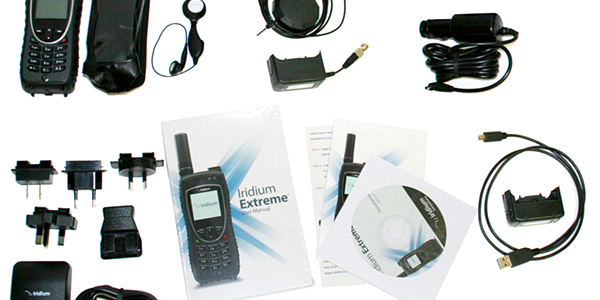
The Iridium 9575 Extreme is the new satellite phone from Iridium. If you had to describe this phone in three words, they would be: simple, convenient, and reliable. And that is exactly what it is.
The Iridium 9575, like its predecessor the Iridium 9555, is designed for users with high demands for reliability and dust/water resistance. The 9575 has an IP67 protection rating and is considered the most rugged satellite phone currently available. It can operate in temperatures from -20°C to +40°C and humidity up to 90%. Naturally, dirt and dust are also not a problem for it.
The device is equipped with the traditional emergency SOS button found in satellite phones of this class. When pressed, it sends an SOS signal to pre-specified contacts. It also has a built-in tracking system that allows you to quickly determine the location when needed, as well as GPS tracking.
To this reliability and practicality, we can add Iridium’s global coverage (Iridium covers 100% of the Earth, including the polar regions), and you get the perfect communication tool for any conditions.
The built-in GPS receiver provides location determination (with the ability to send data via SMS), online tracking via the SBD module, and supports the programmable SOS button.
Main specifications of the Iridium 9575:
If you decide to buy the Iridium 9575 Extreme, the package includes: the phone itself, adapters for different types of outlets, a USB charging adapter, a car charger, a leather case, a headset, and a software CD.
How Secure Is Satellite Communication?
People often ask whether it is possible to eavesdrop on a satellite phone. The answer is yes, but it is difficult and depends on many factors. To understand this issue, it is worth knowing how satellite communication works.
There are different ways satellite communication operates. In brief: when you call from a satellite phone to a mobile or landline phone, the signal from your device is transmitted to the satellite, then from the satellite to a ground gateway station, and from there to the recipient on the cellular/landline network. It is at the moment the signal reaches the ground station that it can potentially be intercepted.
Naturally, satellite communication is encrypted. Globalstar is considered the best in terms of encryption, but as we know, no security system is perfect, so there is always some risk. There are no ground gateway stations on the territory of the CIS countries, which in principle can provide a certain level of security for communications in this region.
If the call is made from one satellite phone to another satellite phone, the signal does not pass through ground stations, which can guarantee 100% security and protection from intruders.